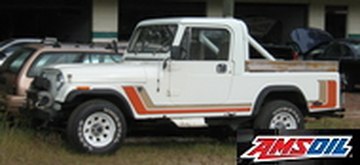
Maintaining Lubrication Integrity for the 1982 Jeep SCRAMBLER 4.2L
Owning a vehicle like the 1982 Jeep SCRAMBLER involves an appreciation for mechanical simplicity and rugged design. The 4.2L engine is a central component of this experience, requiring consistent attention to ensure it continues to operate as intended. Proper lubrication management is one of the most effective ways to support the longevity of this powertrain, helping to mitigate the effects of friction and heat during operation.
Monitoring Fluid Condition and Potential Leaks
Regular visual inspections are a fundamental part of maintaining an older engine. For the 1982 Jeep SCRAMBLER, checking for signs of fluid seepage or leakage can provide early indications of where maintenance might be required. Rather than waiting for a significant loss of lubricant, owners should look for small traces of oil around various sealing surfaces and gaskets.
When performing these inspections, consider the following:
- Sealing Surfaces: Examine the areas where major engine components meet to check for any evidence of weeping or active leaks.
- Drain Areas: Inspect the area beneath the vehicle after it has been parked for an extended period to see if any fluid is accumulating on the ground.
- External Components: Look for oil residue on the exterior of the engine block or near various mounting points, which may indicate that a seal is beginning to age.
It is important to remember that finding a small amount of seepage does not always indicate an immediate failure, but it does warrant closer monitoring. Identifying these signs early allows for more controlled maintenance decisions rather than reacting to unexpected issues.
Observing Changes in Engine Performance and Lubricant Appearance
Beyond visual inspections of the engine exterior, paying attention to how the vehicle behaves during operation is vital. Changes in the way the 4.2L engine runs can sometimes be linked to the condition of its lubrication system. If you notice unusual mechanical noises or changes in how the engine responds under load, these symptoms should be investigated.
A change in the appearance of the oil itself can also be telling. While some level of darkening is expected as oil undergoes thermal stress and collects microscopic debris, extreme discoloration or a significant change in texture may indicate that the lubricant has reached the end of its effective service life. Furthermore, if you notice an increase in how often you need to check or add fluid, this suggests that the engine is consuming more lubricant than usual, which warrants a thorough inspection of the system.
Always approach these symptoms with the understanding that they can have multiple underlying causes. A single symptom does not provide a definitive diagnosis, but it serves as a prompt to look deeper into the vehicle's overall maintenance status.
Prioritizing Maintenance Based on Current Condition
For many owners of a 1982 Jeep SCRAMBLER, the best approach to long-term care is to prioritize tasks based on the actual, current condition of the vehicle rather than relying solely on its age. While time can affect materials like rubber hoses or various gaskets, every vehicle is different depending on how it has been stored and operated.
If you are stepping into ownership without a complete service history, establishing a maintenance baseline is a practical first step. This involves performing a comprehensive inspection of all fluids, filters, and visible mechanical components to understand the current state of the vehicle. Once this baseline is established, you can focus your efforts on addressing active concerns—such as minor leaks or aging belts (if equipped)—before they escalate into more complex repairs.
Keeping detailed records of every oil change, filter replacement, and observed repair is highly beneficial. A well-documented history allows you to track patterns in fluid consumption or the lifespan of specific components, making it much easier to transition from reactive repairs to proactive, condition-based maintenance.
Managing Aging Components and Materials
As a vehicle reaches several decades of age, certain materials naturally undergo changes. In the 1982 Jeep SCRAMBLER, this may include the hardening of various seals or the degradation of rubber components like hoses, if present. When inspecting these items, look for signs of cracking, glazing, or excessive brittleness.
If your vehicle is equipped with drive belts, inspect them regularly for any fraying or deterioration. Similarly, checking the condition of cooling system hoses can help prevent unexpected issues related to fluid loss. The goal of these inspections is not necessarily to replace every part that looks old, but to identify components that are showing actual signs of wear or loss of integrity.
By distinguishing between parts that are simply aged and those that are actively failing, you can manage maintenance costs more effectively while ensuring the engine remains well-protected through consistent lubrication and cooling.
The Role of High-Mileage Formulations
As engines age and accumulate significant mileage, their internal tolerances may change. Some high-mileage oil formulations are designed with specific additives intended for use in these types of aging engines. These formulations often include seal-conditioning additives that may help maintain the flexibility of certain seals.
While these products can be a useful tool in a maintenance strategy, they should be used as part of a broader approach to engine care. They are not a substitute for regular oil changes or addressing significant mechanical leaks, but they can serve as a helpful component in managing an older powertrain's lubrication needs.
Practical Advice for Buying Engine Oil for the 1982 Jeep SCRAMBLER 4.2L
When it is time to replenish your engine lubricant, the most important step is to ensure that the product you select matches the specific requirements of your engine. For this 1982 Jeep SCRAMBLER 4.2L, do not rely on general automotive knowledge or assumptions based on the vehicle's age to determine which grade to use.
Instead, match the engine oil to the application-specific viscosity information already displayed on this webpage. Before making a purchase, carefully check the product labeling to verify that the oil meets the necessary quality standards and certifications for your specific application. Depending on your maintenance goals and the current condition of your engine, you may choose between conventional, synthetic blend, or full synthetic options. If you are managing an older engine with higher mileage, you might also consider high-mileage formulations that contain seal-conditioning additives.
By strictly following the viscosity and application details provided in the technical data above, you ensure that your 4.2L engine receives the exact type of lubrication it needs to operate reliably.